
These are the stages of the flight attendant selection test from start to finish
The flight attendant selection process usually consists of several strict and structured stages. The following are the general stages in the flight attendant selection process from start to finish:
Flight attendant administrative selection test
Administrative selection test to become a flight attendant is a very important initial stage in the selection process. At this level, The selection committee will check the completeness and suitability of the document submitted by the candidate. Here are some aspects that are usually checked in the administrative selection test:
1. Document equipment
- Curriculum vitae (CV): Must include complete information about educational background, work experience (If there are), and expertise possessed.
- Not foto: Generally requested in a certain size, with the appropriate color background, like white or blue. Photos must be formal and show neat appearance.
- Photocopy of self -identity: Like a valid KTP or passport.
- Final Degree: Usually a minimum of high school or equivalent, depending on the airline requirements.
- Certificate of health: Obtained from a hospital or clinic that shows that candidates are in good physical condition.
- Police certificate (SKCK): Some airlines might ask for this document to ensure that candidates have no criminal records.
- Other supporting documents: Like a language course certificate, training, or relevant appreciation.
2. General requirement
- Age: Some airlines set minimal and maximum age limits. Generally, The minimum age is 18 or 20 year.
- Height and Weight: Must be in accordance with the standards set by the airline. Usually, Minimum height for women is approx 158 cm and for men 170 cm. Weight must also be proportional to height (BMI).
- General Health: Do not have chronic diseases or medical conditions that can interfere with the work as a flight attendant.
- Appearance: The skin condition must be clean without a striking tattoo or scar, especially in the area that is seen when wearing a uniform.
3. Document validity
- The selection committee will check the authenticity and validity of the submitted documents. For example, The diploma must be original and recognized by an accredited educational institution.
- The time of the document is also inspected, Like the validity period of KTP or SKCK.
4. Fulfillment of airline qualifications
- Every airline may have a special qualification that must be met by prospective flight attendants. Example, Some airlines require certain foreign language skills, experience working in the field of service, or other relevant qualifications.
5. File selection
- Based on documents and information that has been submitted, The selection committee will determine whether the candidate meets the requirements to continue to the next stage. Candidates who pass the administrative selection will be invited to follow the next selection stage, Like the appearance test or English test.
The stages of administrative selection are very important because it will determine whether the candidate can proceed to the next stage in the recruitment process. Therefore, important for prospective flight attendants to ensure that all documents submitted are complete, valid, and meet the requirements set by the airline.
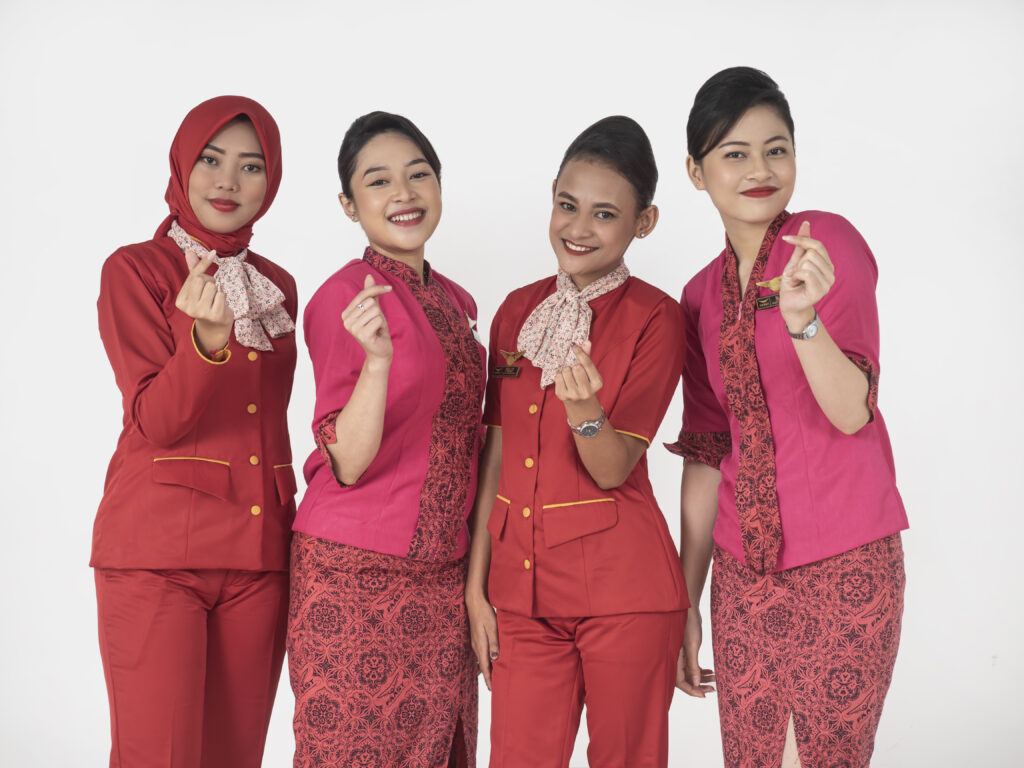
Stewardess Appearance Test

Appearance test is one of the important stages in flight attendant selection, where candidates are judged based on physical aspects and overall appearance. This test aims to ensure that prospective flight attendants meet the appearance standards set by the airline, Because flight attendants are representation of airlines to passengers. Here are some aspects that are usually assessed in the flight attendant appearance test:
1. Body posture
- Height and Weight: The assessment begins by measuring the height and weight of the candidate. Airlines have certain standards for height and proportional weight (Body Mass Index or BMI). Minimum height for women is usually around 158 cm.
- Good Posture: Candidates are expected to have an upright and healthy posture. Posture assessment is carried out when standing, walk, and sitting.
2. Skin condition
- Cleanliness and skin health: Candidates will be assessed based on cleanliness and health of their skin. The skin must be free from acne, striking scars, or a tattoo that is seen when wearing a uniform.
- The skin of the hands and feet: The condition of the skin on the hands and feet is also checked, including the condition of the nails that must be clean and well maintained.
3. Facial appearance
- Facial expression: A friendly and pleasant face is an important point in the assessment. Natural smiles and the ability to show positive facial expressions.
- Dental health: Healthy teeth, clean, and neat is one of the assessment points, Because a smile is an important part of the appearance of the flight attendant.
- Makeup (Makeup): Although some airlines have different makeup policies, generally expected face makeup used is light, professional, and is not over.
4. Cleanliness and neatness
- Hygiene: Candidates must show high cleaning standards, including clean and neat hair, as well as neat clothes and fit the dress code.
- Tidiness dress: This assessment includes the way candidates dress, Are their clothes clean, neat, and in accordance with established standards.
5. How to walk and posture
- Gait (Way of walking): Candidates are assessed based on the way they run. The way to walk must be elegant, confidence, and show professionalism.
- Posture (Body Language): Positive and confident attitude is highly valued. This includes how the candidate stands, stay, and interact with others.
6. Expression and interaction
- The ability to interact: Candidates may be tested by simulation interaction with passengers. This is to see how they interact with others, showed a friendly attitude, be patient, and professional.
- Facial expressions: The ability to express yourself with a friendly and open smile and body language.
7. The overall appearance
- The overall appearance, including unity between cleanliness, neatness, posture, and facial expressions, will be evaluated to ensure candidates have a good and professional impression.
This appearance test is not only about physical beauty, but also about how candidates present themselves professionally, confidence, and friendly. Candidates who pass this stage are those who can balance an attractive appearance with attitudes and personalities in accordance with the standards of airlines.
Stewardess English Selection Test
English selection test is one of the important stages in the recruitment process of flight attendants. English language skills are very necessary because flight attendants often interact with passengers from various countries, and most of the safety and communication procedures in international flights in English. Here are some components that are usually found in English tests for flight attendant selection:
1. Written test
- Grammar (Grammar): This test measures the understanding of candidates about the rules of English grammar. Candidates may be asked to fill in the missing parts in the sentence, Choosing the correct word form, or correct the wrong sentence.
- Vocabulary (Vocabulary): Candidates are tested on mastery of vocabulary, including synonyms, antonym, and the use of words in different contexts.
- Reading Comprehension (Understanding of reading): Candidates are given text in English, then they must answer questions based on the text to measure their ability to understand the reading.
- Writing (Write): Candidates may be asked to write short essays or answer questions in written form to measure their ability to express ideas in English.
2. Tes Listening (Understanding of listening)
- Listening Comprehension: Candidates listen to recording conversation, announcement, or instructions in English, then answer the question based on what they heard. This test assesses the candidate's ability to understand conversations or information delivered verbally.
- Dictation: In some cases, Candidates may be asked to rewrite the sentences or paragraphs they hear, which aims to assess the understanding of listening and the accuracy of writing.
3. Tes Speaking (Speak)
- Interview in english: Candidates were interviewed by the interviewer in English. Questions asked can be about the background, Motivation to be a flight attendant, or hypothetical situations that may be faced at work. The purpose of this test is to assess the spokes of speaking, expression, and the ability of candidates to communicate effectively.
- Role Play (Role simulation): In some selection, Candidates are asked to play roles in certain situations, Like interacting with passengers or handling an emergency situation, Everything in English. This measures their ability to use English in the context of daily work.
- Public Speaking: Candidates may be asked to give a brief presentation or speak in front of the group in English. This test measures their ability to speak confidently and clearly in front of the crowd.
4. Interaction and communication tests
- Group Discussion (Group discussion): In some cases, Candidates are asked to participate in group discussions conducted in English. Assessment includes their ability to contribute to discussions, listen to the opinions of others, and express their views clearly.
- Customer Service Simulation: Candidates may be given a passenger service scenario and asked to respond in English, measure their ability to use English in a customer service situation.
5. Final evaluation
- Flexibility and fluency: The final assessment will consider the flexibility and self -sufficiency of the candidate in using English. This includes the ability to respond quickly, using the right language, and adapt to various communication situations.
- Accent and pronunciation:Although accent is not a major factor, The ability to speak with clear and easy to understand pronunciation is important.
English testing in flight attendant selection aims to ensure that candidates have adequate language skills to communicate effectively in an international work environment. Candidates who successfully passed this test show that they are ready to handle interactions with passengers from various backgrounds and face various situations in flight in English as the main communication tool.
Stewardess Psychological Test
Psychological test is an important part of flight attendant selection, because it aims to assess psychological aspects such as personality, intelligence, emotional stability, and the ability of candidates to deal with stress situations. This test helps the airline ensure that candidates have appropriate psychological characteristics for work that demands great responsibilities and intense interactions with passengers. Here are some types of psychological tests that are usually used in flight attendant selection:
1. Personality Test
- Big Five Personality Test: This test assesses the five main dimensions of personality: Openness (Openness), Conscientiousness (Perseverance), Extraversion (Extrovers), Agreeableness (Warmth), dan Neuroticism (Emotional stability). The results will show whether the candidate has a suitable personality to become a flight attendant, Like the ability to work in teams, emotional stability, and hospitality.
- Minnesota Multiphasic Personality Inventory (MMPI): This test is used to assess various psychological and behavioral aspects, including a tendency for stress, depression, and anxiety. MMPI helps identify candidates who may have emotional or psychological problems that can affect work performance.
- DISC Personality Test: This test assesses four main personality types: Dominance, Influence, Steadiness, and compliance. This test helps determine whether the candidate has a personality that suits the culture and work environment.
2. Intelligence test (IQ Test)
- Logic and reasoning tests: Candidates are tested with questions that measure the ability to think logically, solve the problem, and analytical reasoning. This test usually involves patterns, number, or forms that must be identified or solved by candidates.
- Verbal and numerical tests: This test measures the verbal and numerical abilities of the candidate, including understanding text, Verbal Analogy, basic arithmetic, and data interpretation. This ability is important to handle administrative and communication tasks that require accuracy.
- Spatial test: This test measures the ability of candidates to understand and manipulate visual-spatial information, like shape, chicken, or object in a three -dimensional space. This can be relevant in an emergency situation where flight attendants must understand the layout of the aircraft and the evacuation route.
3. Situational tests (Situational Judgement Test)
- Situation Simulation: Candidates are given situational scenarios that may occur during the flight, like handling difficult passengers, manage conflict, or facing an emergency. Candidates must choose the most appropriate response or solve problems based on the scenario.
- Decision making test: This test measures the ability of candidates to make fast and right decisions under pressure. Candidates must show how they will react in critical situations, which is an important ability for flight attendants.
4. Stress test and emotional endurance
- Stress resistance test: This test is designed to assess how candidates handle pressure and stress, which is often faced in flight attendant work. This test may involve a simulation scenario or question that explores the candidate's emotional reaction to the challenging situation.
- Emotional stability test: This test evaluates the candidate's ability to remain calm and controlled in a tense situation, and to maintain a positive attitude and professionalism under pressure.
5. Social interaction test
- Role-Playing: Candidates may be asked to participate in role games where they have to interact with "passengers” or "colleagues” in the specified scenario. This helps assess interpersonal communication skills, friendliness, and empathy.
- Collaboration test: This test evaluates the ability of candidates to work together in the team, Including sharing information, solve a problem together, and support coworkers.
6. Attention and Accuracy Test
- Attention to Detail Test: This test measures the candidate's ability to pay attention to small details, which is very important in tasks such as inspection of safety and inventory management.
- Concentration test: This test evaluates the candidate's ability to stay focused for a long time and is not easily disturbed by things around them.
7. Motivational tests and personal grades
- Questionnaire motivation: Candidates were asked to fill out a questionnaire that revealed their motivation to become flight attendants, including career goals, work ethic, and personal values that they consider important at work.
- Integrity Test: This test assesses the moral values and ethics of the candidate, and how much they comply with the rules and policies set by the organization.
Psychological tests in flight attendant selection are designed to ensure that candidates not only have adequate intellectual abilities, but also personality, emotional intelligence, and suitable adaptability to work in a dynamic and full pressure environment such as in the aviation industry.
Flight Attendant Health Test
Health Test is one of the important stages in flight attendant selection, Because this profession requires excellent physical condition to carry out tasks that require stamina, endurance, and a quick response to an emergency situation. The health test aims to ensure that flight attendant candidates are in good physical condition and free from diseases or medical conditions that can interfere with their performance. Here are some aspects that are usually checked in the flight attendant health test:
1. General Physical Examination
- Height and Weight: The height and weight of the candidate is measured to ensure they are in accordance with the standards set by the airline. Body weight should be proportional to height (Healthy BMI).
- Body posture: Candidates are examined to see if they have a good posture and have no spinal disorders such as scoliosis.
- Vision: The eye test is done to ensure the vision of the candidate is in good condition, both for the right and left eye, with or without glasses. This examination also includes color blind tests.
- Hearing: Candidates must have good hearing. The hearing test is carried out to ensure that candidates can hear important commands and communication, both in a quiet and noisy environment.
- Blood pressure: Blood pressure is measured to ensure that there is no hypertension or hypotension that can affect performance in work that demands physical.
- Heart health: ECG examination (Electrocardiogram) may be done to ensure heart health and early detection of conditions such as arrhythmias or other cardiac abnormalities.
2. Respiratory examination
- Lung function: The lung function test is carried out to ensure that candidates have a good lung capacity and do not suffer from asthma or other respiratory diseases that can interfere with their performance in the cabin environment with different air pressure.
- Chest x -ray: This examination is carried out to ensure there are no abnormalities in the lungs or other chest organs, such as infection or structural problems.
3. Laboratory test
- Blood test: Complete blood tests are carried out to check various health indicators such as hemoglobin levels, white blood cells, liver function, and kidney. This test is also used to detect infectious diseases such as hepatitis or HIV.
- Urine test: Urine examination is done to detect infection, kidney disease, diabetes, or indications of other health problems.
- Drug test: Most airlines conduct drug tests to ensure that candidates are free from the use of illegal substances.
4. Dental and oral examination
- Dental health: Candidates must have healthy teeth, without cavities or other serious problems. Tooth and oral cleanliness is very important because the flight attendants interact close to passengers.
- Dentures and braces: Some airlines may have policies related to the use of dentures or braces (braces), Until this is also checked.
5. Skin Examination
- Cleanliness and skin health: Candidates are examined to ensure that there is no striking skin condition, like an open wound, skin infection, or chronic skin diseases that can affect the appearance or performance.
- Tattoos and scars: Tattoos and scars that are seen when wearing uniforms will be examined. Some airlines have special policies related to the visible tattoos.
6. Digestive system examination
- Gastrointestinal Health: The examination was carried out to ensure there were no serious problems with the digestive system, such as chronic gastritis or other indigestion that can interfere with the daily activities of flight attendants.
7. Pregnancy test (For women)
- Pregnancy examination: Some airlines may require a pregnancy test to ensure that candidates are not pregnant when starting training or working. This is related to flight and maternal and fetal health safety policies.
8. Psychological examination
- Mental Health: Although not always included in the "medical test” physically, Some airlines may also conduct mental health or stress assessments to ensure candidates have the emotional stability needed in pressure work.
9. Advanced physical examination (Optional)
- Balance and Coordination Test: Some airlines may add tests to assess the balance and physical coordination of the candidate, especially to ensure their abilities in an emergency situation.
- Swimming test: Although not always a part of the medical test, Some airlines require candidates to pass the swimming test as proof that they are able to save themselves or passengers in an emergency in the water.
This flight attendant health test is designed to ensure that candidates have optimal physical conditions and are able to handle job demands that require high stamina, endurance, and the ability to work in various situations, including an emergency. Only candidates who meet all health standards set by the airline will pass to the next stage.
Stewardess User Interview Test
User Interview Test is one of the important stages in flight attendant selection, where candidates were interviewed by representatives from the airline, such as the recruitment manager or member of the flight attendant senior team. This interview is usually more in-depth and focuses on how candidates will performance in their daily work and how suitable they are with corporate culture. Here are some aspects that are usually discussed in the flight attendant user interview:
1. Identity
- Experience and background: Candidates are asked to tell about themselves, including education, Previous work experience, And the reason why they are interested in becoming a flight attendant. This is an opportunity to show how their background and skills are relevant to this job.
- Reasons for applying: Candidates will be asked why they want to work as flight attendants and why choose the airline. A good answer shows a deep understanding of the role of flight attendants and strong motivation to work at the company.
2. Communication Skills
- Interaction with passengers: The interviewer might ask how candidates will handle interactions with passengers, especially in difficult situations or conflicts. They are looking for candidates who are able to communicate politely, be patient, and effective.
- Foreign language skills: If the candidate mastered languages other than Indonesian and English, The interviewer might ask or test this ability, especially if the airline serves international routes.
3. Leadership and teamwork
- Team work experience: Candidates may be asked to set an example when they work on the team, How do they contribute, and how they handle team conflicts. This is important because flight attendants often work in teams in the cabin.
- Taking the initiative: The interviewer might ask about the situation where the candidate must take the initiative or lead in a project. They are looking for signs that candidates can be relied upon to lead if needed.
4. Customer service
- Customer service situation: The interviewer might provide a scenario where candidates must handle complaints or special needs of passengers. Candidates must show their ability to provide good service while maintaining professionalism.
- Empathy and Caring: The ability to show empathy for passengers, especially in an emergency situation or when passengers need special attention, is the key. The interviewer will judge how sincere and care for candidates in providing services.
5. Handling Emergency Situations
- Response to an emergency situation: Candidates may be asked how they will react in an emergency situation, such as evacuation or medical emergency. The interviewer wants to ensure that the candidate can remain calm and follow the safety procedures appropriately.
- Solution to problem: The interviewer might provide a situation that requires a quick problem solving and assesses how candidates identify problems and find a solution.
6. Physical and mental readiness
- Stamina and physical readiness: The interviewer might ask how ready the candidate is to go through the job that is physically demanding, Like working on long -distance flights and handling passengers in various situations.
- Stress and emotional management: Candidates may be asked how they manage stress and pressure, Especially in a rapid and sometimes stretching work environment.
7. Knowledge of Airlines
- Understanding of airlines: Interviewers often assess the extent to which candidates understand the vision, mission, and airline culture. This knowledge shows the seriousness of candidates in applying for jobs and how well they are suitable for company values.
- Awareness of competition: Candidates may also be asked about the competitors of the airline and how they see the role of the airline in the aviation industry.
8. Self -development and career goals
- Long -term plan: The interviewer may ask about the long -term career goals of the candidate and how the role as a flight attendant is in accordance with the plan. This shows the commitment of candidates to develop in the company.
- Training and education: Candidates may be asked about their interests in further training or professional development, which shows the desire to learn and adapt.
9. Values and Ethics of Work
- Integrity and ethics: The interviewer might explore the candidate's personal values, like integrity, work ethic, and how they handle situations where these values may be tested.
- Openness to feedback: Candidates may be asked how they respond to criticism or feedback from superiors or coworkers. This is important to find out how open the candidate is to self -development.
10. Availability and commitment
- Availability to work: The interviewer might ask for the flexibility of candidates related to working hours, including readiness to work on holidays, weekend, and the night, and willingness to be placed in other cities or countries.
- Long -term commitment: The interviewer will look for signs whether the candidate sees this role as a long-term career or just as a temporary job.
Preparation for user interviews

To face a successful user interview, Candidates need:
- Understand the role of flight attendants in depth, including the responsibilities and challenges encountered.
- Practice answering situational questions that may be given in the interview.
- Showing self -confidence, friendliness, and professionalism during the interview.
- Study information about airlines, including history, service, and company culture, to show enthusiasm and knowledge.
Through user interviews, The airline is trying to find candidates who not only have technical skills, but also personality, attitude, and values that are in line with the culture and service standards of the company.
That's what the discussion is about "This is the stages of the flight attendant selection test from the beginning to completion”. If you have a different answer from the admin, Please write it in the comments column..
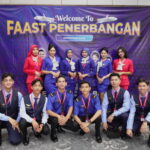
Currently the FAAST Aviation flight attendant school is opening registration for new students. For those of you who want to register yourself, you can contact the registration admin : Sister Melia 0857-7272-7722
Read Also : Can Curly Hair Become a Flight Attendant??













Leave a Reply