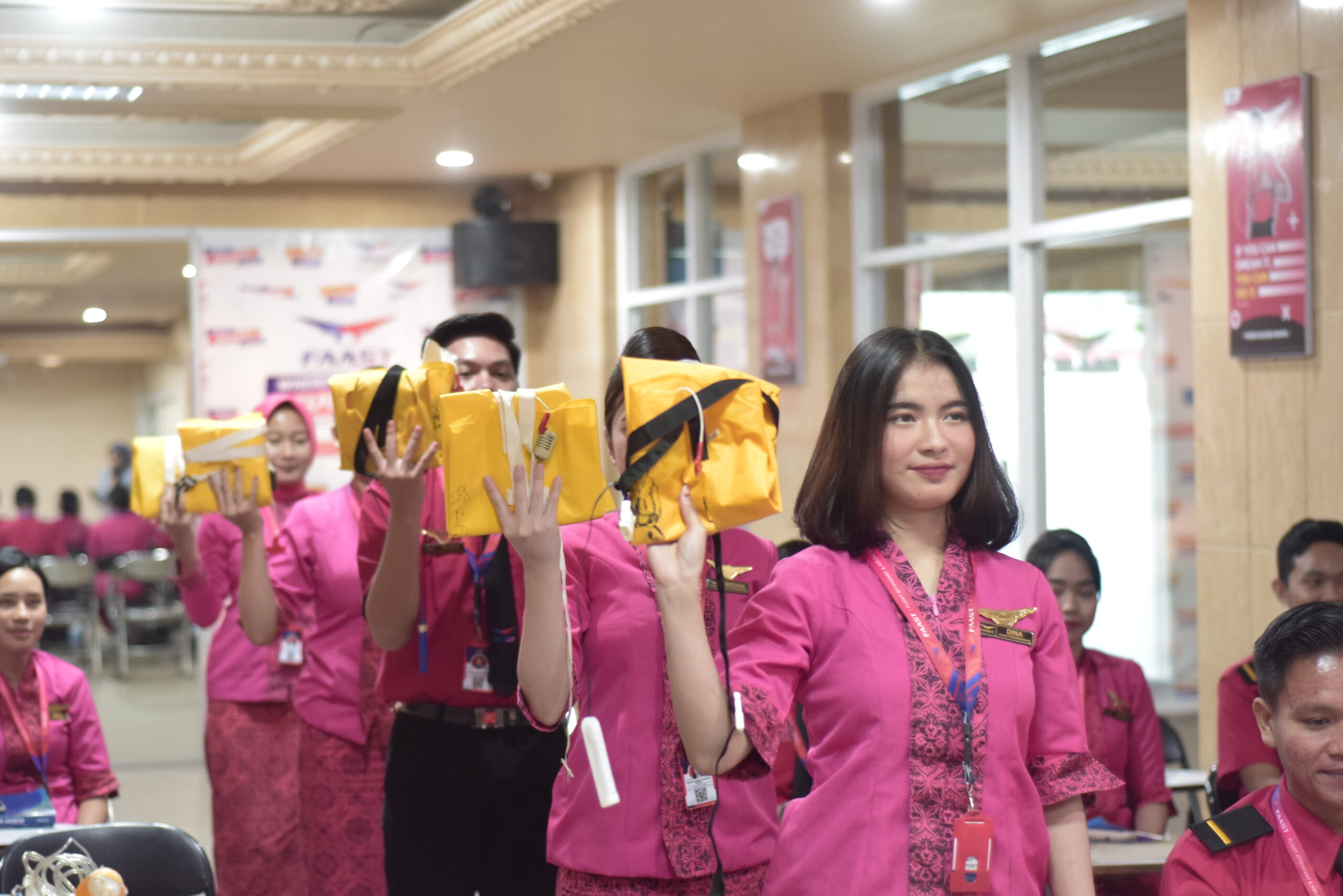
Flight Attendant Training
Flight attendant training is an education and training program designed to prepare individuals to become professional flight attendants. This training includes various aspects of the skills and knowledge needed to carry out flight attendant tasks effectively and safely. Here are some of the general components that are usually present in flight attendant training:
- Customer service training:
- Communication techniques with passengers.
- Handle passenger complaints and requests.
- Provide friendly and professional service.
- Aviation Security:
- Emergency and evacuation procedures.
- Handling emergency situations such as fire, turbulence, and emergency landing.
- First aid and resuscitation techniques (CPR).
- Cleanliness and Hygiene Training:
- Aircraft cleanliness standards.
- Handling food and drinks safely.
- Knowledge of Aircraft:
- Familiarization with various types of aircraft.
- Understanding of safety equipment and systems onboard aircraft.
- Operational Procedures:
- Pre-flight procedures, during the flight, and post-flight.
- Coordinate with other crew, including the pilot and cabin crew.
- Physical Training and Health:
- Health and physical fitness to maintain stamina during long flights.
- Stress management techniques.
- Personality Development:
- Ethics and professional behavior.
- Appearance and grooming in accordance with airline standards.
Flight attendant training is usually offered by aviation academies, special school for flight attendants, or directly by the airline. Training duration varies, but usually lasts between several weeks to several months, depending on the program and institution.
What Flight Attendant Training Materials Are Taught?
Flight attendant training materials typically cover a variety of topics designed to equip prospective flight attendants with the knowledge and skills needed in their jobs. The following are some commonly taught training materials:
Customer Service Flight Attendant Training Materials
- Customer service training for flight attendants includes a variety of material aimed at improving communication skills, interaction, and service to passengers. Below are some topics that are typically included in customer service training materials for flight attendants:
- Effective Communication:
- Techniques for communicating clearly and effectively with passengers.
- Use positive body language.
- Active listening to understand passengers' needs and concerns.
- Excellent service:
- Principles of excellent service.
- How to provide service that exceeds passenger expectations.
- Personal approach in serving passengers.
- Handling Complaints and Conflicts:
- Strategies to defuse conflict situations.
- Techniques for handling passenger complaints and complaints calmly and professionally.
- Problem escalation procedures if necessary.
- Interpersonal Skills:
- Develop empathy and understand passengers' perspectives.
- Build positive relationships with passengers.
- Ethics in interacting with passengers.
- Services for Passengers with Special Needs:
- Understand and assist passengers with disabilities.
- Services for elderly passengers, children, and pregnant women.
- Handling of medical situations on board the aircraft.
- Ethics and Professional Attitude:
- Maintain a professional attitude in all situations.
- Appearance and grooming according to airline standards.
- Ethics in using social media and maintaining passenger privacy.
- Handling Difficult Situations:
- Dealing with difficult or aggressive passengers.
- Handle situations such as flight delays, cancellation, and route changes.
- Manage stress and maintain calm in emergency situations.
- International Culture and Services:
- Understanding of cultural differences and how to adapt services.
- Ethics and customs in different cultures.
- Communicate with passengers who do not speak the same language.
- Service Practices:
- Simulation of customer service scenarios.
- Practice in handling various service situations.
- Evaluation and feedback to improve skills.
This training aims to ensure that flight attendants have the skills and knowledge necessary to provide friendly service, professional, and high quality to all passengers.
- Effective Communication:
- Customer service training for flight attendants includes a variety of material aimed at improving communication skills, interaction, and service to passengers. Below are some topics that are typically included in customer service training materials for flight attendants:
Aviation Security and Safety Flight Attendant Training Materials
Training flight attendants on aviation security and safety is essential to ensure that they are prepared to deal with various emergency situations and keep passengers safe. Below are some of the materials typically included in this training:
- Emergency Procedures:
- Emergency evacuation: techniques and procedures for directing and assisting passengers to exit an aircraft quickly and safely.
- Handling fires on airplanes: use of fire extinguishers and fire fighting techniques.
- Procedures during turbulence: safety measures for yourself and passengers when turbulence occurs.
- Use of Safety Equipment:
- Use of an oxygen mask: how to use an oxygen mask in an emergency case of cabin pressure drop.
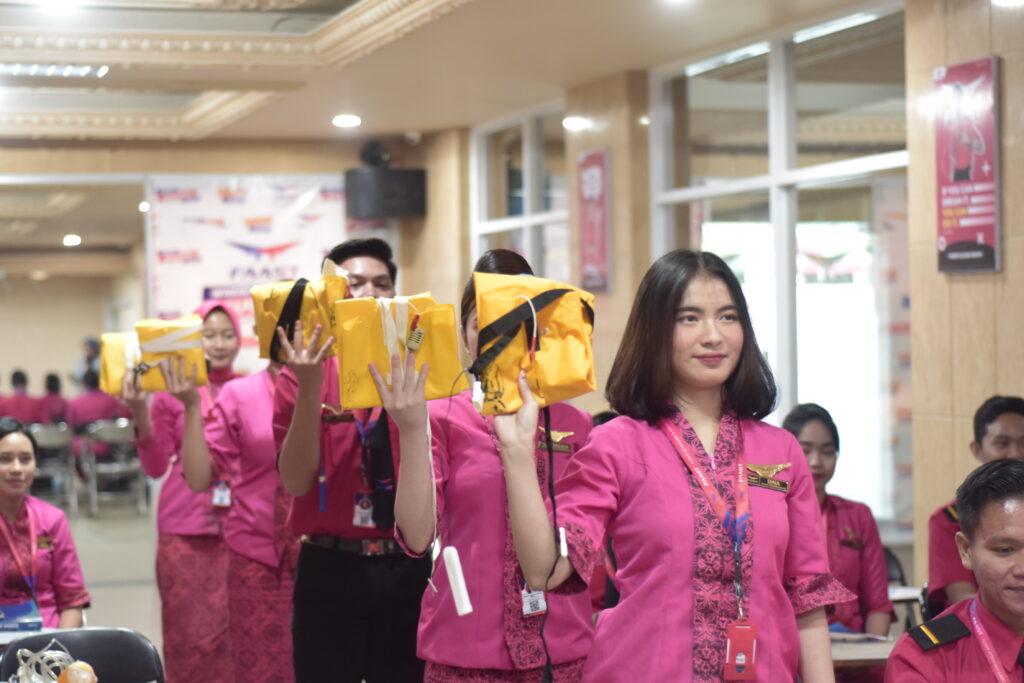
- Use of life jackets: how to wear and inflate a life jacket during an emergency in the water.
- Use of emergency doors and evacuation slides: how to open emergency doors and use evacuation slides.
- First Aid:
- Basic first aid techniques (CPR, wound management, dll.).
- Handling emergency medical situations, like a heart attack, stroke, and allergies.
- Use of medical equipment on board aircraft, like a defibrillator.
- Security Awareness:
- Identify and address security threats, such as bombs or suspicious objects.
- Airport and aircraft security procedures.
- Surveillance and patrol techniques in the cabin to identify potential threats.
- Crisis Management:
- Crisis management strategies for dealing with emergency situations.
- Coordinate with other crew and authorities.
- Communication with passengers during crisis situations.
- Simulation of emergencies:
- Simulation exercises for various emergency situations, like fire, emergency landing, and evacuation in the water.
- Performance evaluation in simulation exercises.
- Learning from simulations for skill improvement.
- Cabin Safety Procedures:
- Checking safety equipment before flight.
- Safety briefing to passengers.
- Handling of passenger luggage that could compromise safety.
- Aviation Safety Regulations and Standards:
- Understanding of aviation safety regulations and standards implemented by aviation authorities.
- Compliance with safety procedures and rules.
- Handling Passengers with Special Needs:
- Evacuation and handling of passengers with disabilities.
- Assistance to elderly passengers, children, and pregnant women in emergency situations.
This training aims to ensure that flight attendants have the knowledge and skills needed to maintain the safety and security of passengers and are able to respond effectively in emergency situations.
Cleanliness and Hygiene Training Training Materials
Cleanliness and hygiene training for flight attendants is an important component in ensuring the health and safety of passengers and flight crew. The following are some of the topics commonly included in cleaning and hygiene training materials:
- Aircraft Cleanliness Standards:
- Aircraft cabin cleaning techniques, including seating, folding table, and toilets.
- Proper cleaning procedures for various types of surfaces and materials.
- Use of appropriate and safe cleaning tools and materials.
- Food and Beverage Handling:
- Hygienic procedures for storing and serving food and drinks.
- Handling eating and drinking utensils to ensure they remain sterile.
- Prevents cross-contamination between raw and cooked foods.
- Personal Hygiene:
- Practice good personal hygiene, including washing hands properly.
- Wear a clean and neat uniform.
- Handling personal items to avoid contamination.
- Waste Management:
- Procedures for disposing of rubbish and waste on board aircraft.
- Management of medical waste and hazardous materials.
- Recycling techniques comply with regulations.
- Use of Personal Protective Equipment (APD):
- Use of gloves, masker, and other equipment when needed.
- Procedures for removing and disposing of PPE safely.
- Handling situations that require additional PPE, like a plague.
- Hygiene Protocols in Special Situations:
- Additional procedures during a pandemic or infectious disease outbreak.
- Handling passengers who are sick or show symptoms of illness.
- Intensive cleaning after flights with medical cases.
- Hygiene in Service Areas:
- Small kitchen cleanliness (galley) in a plane.
- Regular cleaning of equipment and work surfaces.
- Hygienic storage procedures for food ingredients and equipment.
- Infection Prevention:
- Techniques for washing hands and using hand sanitizer correctly.
- Prevent the spread of disease through direct and indirect contact.
- Temporary quarantine procedures for contaminated areas or items.
- Toilet Cleanliness:
- Aircraft toilet cleaning and sanitation procedures.
- Replacement and provision of toilet equipment such as soap, tissue, dan hand sanitizer.
- Handling spills or emergency incidents in the toilet.
- Continuous Training:
- Keep up with regulatory updates and best practices in cleanliness and hygiene.
- Participate in periodic training sessions to remind and improve skills.
- Regular evaluation and feedback to ensure compliance with hygiene standards.
This training is designed to ensure that flight attendants can maintain a clean and hygienic aircraft environment, thereby minimizing health risks for passengers and crew.
Stewardess Training Materials Knowledge about aircraft
Aircraft knowledge training for flight attendants aims to ensure they understand the structure, system, and aircraft operating procedures so that they can carry out their duties effectively and maintain passenger safety. Below are some of the materials typically included in this training:
- Familiarization with Aircraft Types:
- An introduction to various types of commercial aircraft (for example, Boeing 737, Airbus A320).
- The main differences between the various aircraft models operated by airlines.
- Aircraft Structure:
- The main parts of the aircraft, like a cabin, cockpit, cargo space, and toilets.
- Location and function of emergency doors, emergency window, and evacuation routes.
- Aircraft Safety Systems:
- Emergency oxygen system: location of the oxygen mask and how it works.
- Fire extinguishing system: type and location of fire extinguishers and how to use them.
- Cockpit door security system.
- Safety:
- Location and use of life jackets, safety buoy, and life rafts.
- Pre-flight safety equipment check procedures.
- Placement and use of portable fire extinguishers.
- Electrical and Electronic Systems:
- Basic knowledge of electrical systems in aircraft.
- Operation of electronic equipment in the cabin, like cabin lights, entertainment screen, and intercom system.
- Operational Procedures:
- Pre-flight procedures: inspection of the aircraft before boarding.
- Procedures during flight: routine tasks, passenger handling, and coordination with other crew.
- Post-flight procedures: final check and flight report.
- Ventilation and Cabin Pressure Systems:
- How the ventilation system works and cabin temperature regulation.
- Procedures for handling changes in cabin pressure.
- Cab Capacity and Configuration:
- Knowledge of passenger capacity and seating configuration.
- Location of cabin facilities, like a small kitchen (galley), toilet, and storage space.
- Communication System:
- Use of intercom system for communication with cockpit crew and passengers.
- Safety announcements and flight information to passengers.
- Simulation and Practice:
- Training in the use of safety equipment and procedures.
- Simulate emergency situations on airplanes to test knowledge and skills.
- Evaluation and feedback to ensure flight attendant understanding and readiness.
This training material aims to ensure that flight attendants have sufficient knowledge about the aircraft they operate, so they can maintain the safety and comfort of passengers and collaborate with other crew effectively.
Flight Attendant Training Materials for Using Emergency Equipment
Emergency equipment training for flight attendants is essential to ensure that they can respond quickly and effectively in emergency situations. Below are some of the materials typically included in this training:
- Oxygen mask:
- How to use the oxygen mask located above the passenger seat.
- Procedures to ensure that passengers, especially children and people with special needs, wear a mask correctly.
- Explanation of when and how the oxygen mask will automatically come out.
- Life jacket:
- Location of the life jacket under the passenger seat or in another designated place.
- How to wear and inflate a life jacket.
- Procedures to help passengers wear life jackets correctly, including children and babies.
- Safety Buoys and Life Rafts:
- The use of safety buoys found in the aircraft.
- How to develop and operate a life raft.
- Procedures for stacking passengers in liferafts and use of safety equipment in liferafts.
- Firefighter:
- Location and type of fire extinguishers on board the aircraft (for example, water based fire extinguisher, dry chemicals, or CO2).
- How to use a fire extinguisher to put out a small fire in a cabin or small kitchen (galley).
- Procedures for handling larger fires and coordination with the cockpit crew.
- Emergency Doors and Evacuation Slides:
- Location and method of opening emergency doors in an evacuation situation.
- How to develop and use evacuation slides to exit an aircraft.
- Water evacuation procedures and use of slides as emergency rafts.
- First Aid Equipment:
- Location and contents of first aid kit (first aid kit) and other medical equipment.
- Basic use of first aid equipment, like a bandage, plaster, and antiseptic.
- Procedure for using the Automated External Defibrillator (AED).
- Smoke Hood dan PBE (Protective Breathing Equipment):
- Location and use of a smoke hood or PBE to protect yourself from smoke and toxic gases.
- How to use and activate a smoke hood/PBE.
- Procedures for assisting passengers in a fire or smoke situation.
- Megaphone:
- Use of megaphone to provide instructions during evacuation if the intercom system is not working.
- Technique for giving clear and calm instructions using a megaphone.
- Flashlight:
- Location and use of emergency flashlights.
- How to check flashlight function periodically.
- Simulations and Practical Exercises:
- Practice the use of all emergency equipment in simulated situations.
- Emergency scenarios involving various situations such as fire, cabin decompression, and an emergency water landing.
- Evaluation and feedback from exercises to improve readiness and skills.
This training is designed to ensure that flight attendants can respond to emergency situations quickly and appropriately, and can effectively assist passengers to maintain the safety of everyone on the plane.
Flight Simulation Flight Attendant Material
Flight simulation training for flight attendants is an important part of the training process, which aims to prepare them to face various situations that may occur during the flight. These simulations help flight attendants practice skills and procedures in a controlled, realistic environment. The following are some of the topics and activities that are typically included in flight simulation training materials:
- Pre-Flight Procedures:
- Inspection of safety equipment and cabin cleanliness.
- Briefing with other cabin crew and cockpit crew.
- Passenger boarding process and cabin baggage storage procedures.
- Security Announcement:
- Practice making safety announcements before takeoff.
- Demonstrate the use of an oxygen mask, life jacket, and emergency doors to passengers.
- Normal Situation During Flight:
- Handling food and beverage services.
- Handle passengers who require special assistance.
- Management of passengers experiencing inconvenience or minor problems.
- Turbulence and Disruption:
- Procedures for protecting yourself and passengers during turbulence.
- Handling situations where passengers experience fear or anxiety during turbulence.
- Emergency Situations:
- Fire in the cabin: use fire extinguishers and evacuation procedures.
- Cabin decompression: use of oxygen masks and procedures to calm passengers.
- Emergency medical treatment: provide first aid, using an AED, and caring for sick or injured passengers.
- Emergency Evacuation:
- Open emergency doors and use evacuation slides.
- Direct passengers to evacuate quickly and orderly.
- Evacuate in water: using life jackets and life rafts.
- Handling Unforeseen Circumstances:
- Encountering aggressive or threatening passengers.
- Dealing with drunk or disruptive passengers.
- Security procedures in the event of a bomb or hijacking threat.
- Emergency Landing Simulation:
- Procedures for emergency landing on land or in water.
- Directs occupants into brace position and preparation for impact.
- Coordinate with the rest of the crew during emergency landings.
- Post-Flight Procedures:
- Final inspection after landing.
- Passenger disembarkation process.
- Incident reports and reporting procedures to authorities.
- Evaluation and Feedback:
- Evaluation of flight attendant performance during the simulation.
- Feedback from coaches on areas for improvement.
- Discussion of lessons learned and experiences during the simulation.
This flight simulation training helps flight attendants practice and hone their skills in an environment that is close to real situations, so that they are more prepared and confident in handling various situations that may occur during the flight.
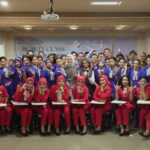
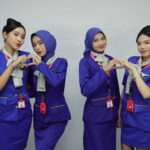
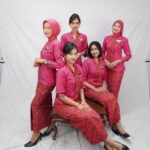
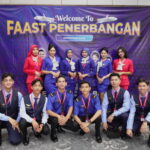
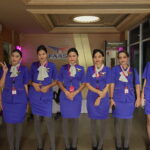
That's what the discussion is about “What Flight Attendant Training Materials Are Taught?”. If you are interested in attending FAAST Flight Attendant School, You can contact the registration admin Sister Melia 0857-7272-7722
At FAAST Aviation flight attendant school you don't just learn flight attendant training material, However, job fair services are also available which will help students find work.
Read Also : Differences between Train and Airplane Stewardesses








Leave a Reply